Camp Pendleton Fire Today: November Fire Burns Hundreds of Acres Near Wire Mountain Housing as C-130 Drops Retardant
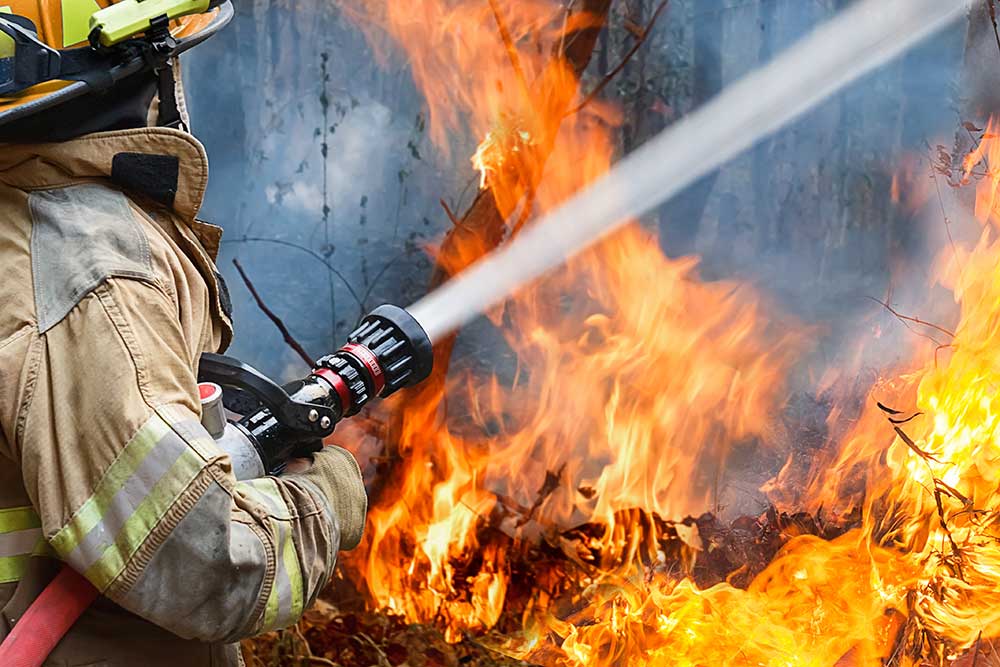
A fast-moving wildfire at Camp Pendleton prompted a major emergency response as firefighters battled flames near Wire Mountain Housing, with aerial crews assisting efforts to slow the spread of the blaze. The fire, known as the November Fire, forced authorities to issue evacuations and warnings while ground and air crews worked to protect nearby areas.
The wildfire initially grew rapidly, reaching an estimated 800 acres as crews responded to active fire behavior and spot fires. Aerial resources, including a C-130 airtanker dropping fire retardant, were deployed to help firefighters establish control lines and reduce the threat to critical infrastructure.
Firefighters respond near Wire Mountain Housing
The November Fire was reported in the November Training Area of Marine Corps Base Camp Pendleton near Wire Mountain Housing. Firefighters from the Camp Pendleton Fire Department, along with assisting agencies, responded quickly as smoke became visible across surrounding communities.
Officials warned that the fire posed risks because of its active spread and proximity to important infrastructure. Emergency crews worked to slow the flames while protecting nearby facilities and residential areas.
Fire response teams faced challenging conditions as they worked across open terrain with vegetation that allowed the blaze to move quickly.
C-130 aircraft deployed in firefighting operation
A significant part of the firefighting response involved aerial support. A C-130 airtanker was used to drop fire retardant over parts of the fire area, helping crews create barriers and slow the advancement of flames.
Aircraft operations are often critical during fast-moving wildfires because they allow firefighters to attack difficult areas from above while ground crews focus on containment and protection efforts.
The coordinated use of air and ground resources helped firefighters make progress in reducing the fire’s forward movement.
Evacuations and warnings issued
As the fire expanded, officials issued evacuation orders and warnings for areas considered at risk. Nearby facilities, including golf course areas, were impacted as authorities worked to protect the public and allow emergency crews to operate safely.
Residents and base personnel were urged to stay informed and follow instructions from emergency officials. Smoke from the wildfire also affected air quality in nearby communities, leading authorities to advise caution for those sensitive to smoke conditions.
Fire size later adjusted after mapping
Although early reports indicated the November Fire had burned approximately 800 acres, officials later revised the estimated size to about 560 acres after more accurate mapping from aerial intelligence aircraft.
Fire officials explained that acreage estimates can change during wildfire responses as crews gain a clearer understanding of the actual burn area.
The forward spread of the fire was eventually stopped, allowing firefighters to focus on strengthening containment lines and monitoring remaining hot spots.
Investigation into cause continues
Authorities are continuing to investigate the cause of the November Fire. At this time, officials have not confirmed what started the blaze.
Fire investigations typically involve examining the area where the fire began, collecting evidence, and reviewing conditions that may have contributed to ignition.
Officials have asked the public to rely on verified information while the investigation remains active.
Community response and firefighter efforts
The wildfire has drawn attention from residents in Camp Pendleton and surrounding areas, many of whom expressed appreciation for the firefighters and emergency crews working to protect lives and property.
Wildfire responses require extensive coordination between firefighters, aviation teams, emergency officials, and support agencies. The efforts of these teams are critical in reducing damage and protecting communities.
Fire reaches full containment
After several days of firefighting operations, officials reported that the November Fire reached full containment. Crews continued monitoring the area and addressing remaining concerns after the active spread was stopped.
No major structural damage or injuries were reported as firefighters successfully brought the situation under control.
Conclusion
The Camp Pendleton November Fire triggered a major emergency response as firefighters battled flames near Wire Mountain Housing and worked to protect nearby communities. With assistance from aircraft including a C-130 airtanker, crews were able to slow the fire’s progress and move toward containment.
While the investigation into the cause continues, the response highlights the importance of coordinated wildfire operations and the dedication of emergency crews working to keep residents and facilities safe.